

Oregon’s Report Card: The Urgent Need for Transportation Investment
Everyone deserves the right to safe, accessible, climate-friendly transportation options. And everyone deserves to arrive at their destination safely, regardless of their transportation choice. Yet the need for investments in transportation safety could not be more urgent as this year’s back-to-school season is met with a 40-year peak in pedestrian deaths, nationwide.
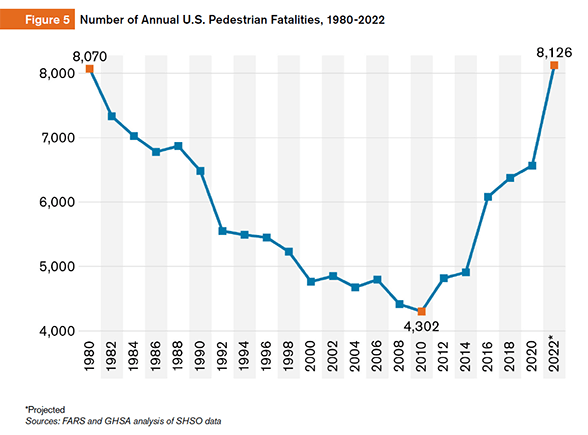 In their “Spotlight on Highway Safety” report, the Governors Highway Safety Administration (GHSA) uncovered a shocking safety disparity for people walking: Pedestrian deaths rose a troubling 77% between 2010 and 2021, compared to a 25% rise in all other traffic fatalities.
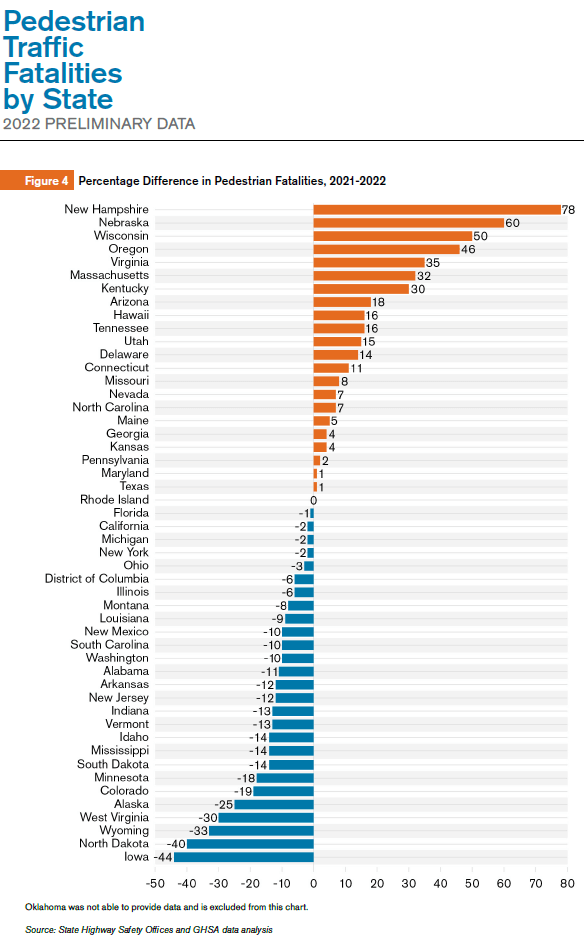
GHSA attributes the increase to just three particular states with the highest year-to-year jumps — including Oregon.
Alarmingly, Oregon tops the list with the 4th highest percentage increase in pedestrian fatalities in 2021-2022. In a state known for active transportation, these numbers are a sobering reality check and must not be ignored.
People-Focused Transportation Solutions
Many common-sense solutions help reduce traffic fatalities, including lower speed limits, speed bumps, safer pedestrian crossings, lighting, and more. These solutions have been proven to work in cities like Hoboken, NJ, that have had zero pedestrian fatalities for four years running. Oregon needs to listen to local communities about priority areas and increase investment in safety measures. This enables more people to access transit, and bike, walk, or roll to their destinations. These measures make more vibrant and livable communities. Increased foot traffic is good for local businesses, active transportation improves health, and taken together they are an important climate solution.
Currently, cars and trucks emit nearly 40% of Oregon’s climate pollution and more than one-half of Oregon’s air pollution. Runoff from streets and parking lots pollutes our water. Poorly planned roads lead to sprawl, which threatens Oregon’s forests and farms. Communities where residents can’t walk or bicycle safely have higher rates of chronic diseases like diabetes, cancer, and heart disease. And many families struggle with the cost of transportation. That’s why we’re working for all Oregonians to have access to transportation choices that meet their needs and are safe, healthy, convenient, affordable, and sustainable for households and communities.
2023 Legislative Win for School Transportation Safety
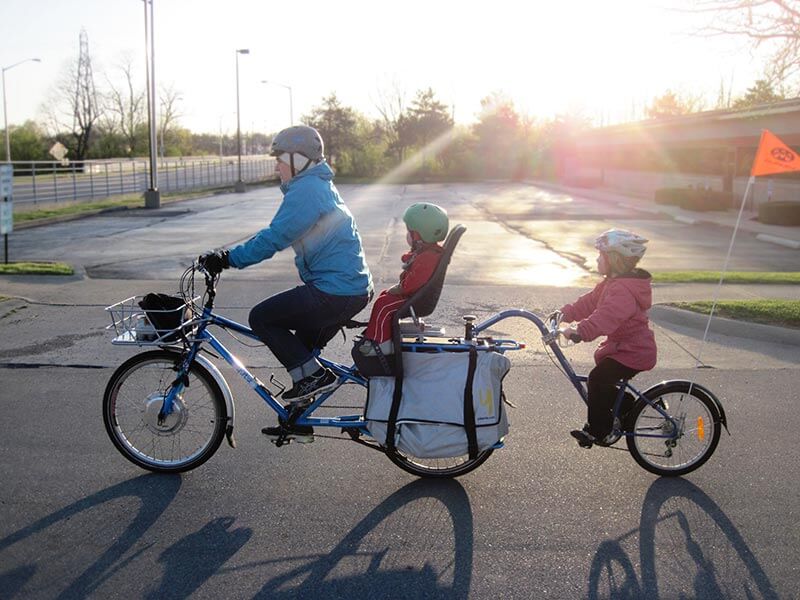
In the final week of the 2023 legislative session, Oregon lawmakers passed HB3014, the “Bike Bus Bill”. This law gives schools more flexibility in how they allocate state-issue funding for school transportation. Previously, this funding would be spent almost entirely on school buses. This year, schools can use these funds on safety improvements like additional crossing guards and climate-friendly alternative options like walking school buses and bike buses. OEC applauds this bipartisan win! We need to build on this success, especially as we develop the next Transportation Package.
Ways You Can Get Involved
- Drive with extra caution! To help keep students safe, PBOT advises people driving to always:
- Drive at or below the speed limit — 20 mph or less in school zones.
- Slow down and exercise caution when kids are walking, biking, or rolling.
- Stop for school buses, never try to pass them.
- Keep an eye out for students around public transit stops. Students, especially middle and high schoolers, ride TriMet across the city.
- Mark your calendars! International Walk+Roll to School Day is Wednesday, October 4, 2023. Check with schools in your area about ways to support their students in active transportation.
- Check your mailbox! Between September 2023 and June 2024, about half of Oregon’s 1.6 million households will receive invitations by mail to participate in The Oregon Travel Study to understand where, when, and how people in Oregon travel in their daily lives. If your household is one of those randomly selected, please participate!
OEC’s transportation work is made possible by individual supporters across the state. Make a difference. Become a member of OEC today.
Resources:
GHSA – Pedestrian Traffic Fatalities by State, 2022 Preliminary Data (January-December)
Make Your Voice Heard for the Future of Oregon Groundwater!
9

Biosolids, PFAS and Oregon Agriculture
9

It’s Time for Oregon to Lead in Clean Tech with HB 4112!
9

Could Oregon be the 5th state to pass a ‘right to repair’ law? Here is how you can help!
9

40 Years of Curbside Recycling in Oregon: What’s Next?
9
9
Electrifying Oregon’s Local Economies
9

Voices of Support: Defending Oregon’s Climate Protection Program
9

Celebrating the launch of the “Oregon Clean Grid Collaborative”
9

9